Farmers in Hong Kong are a dying breed. There are less than 2500 local farm operators, producing less than 2% of the vegetables we eat and only around 7% of the poultry and pork we consume. As Hong Kong moves forward with its Northern Metropolis plan, more agricultural lands will be affected, and farmers will either be forced to give up their businesses or faced with radical shifts in how they maintain their livelihood.
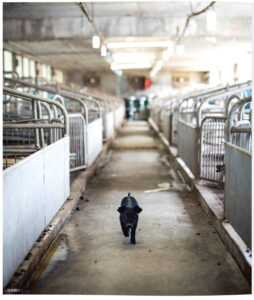
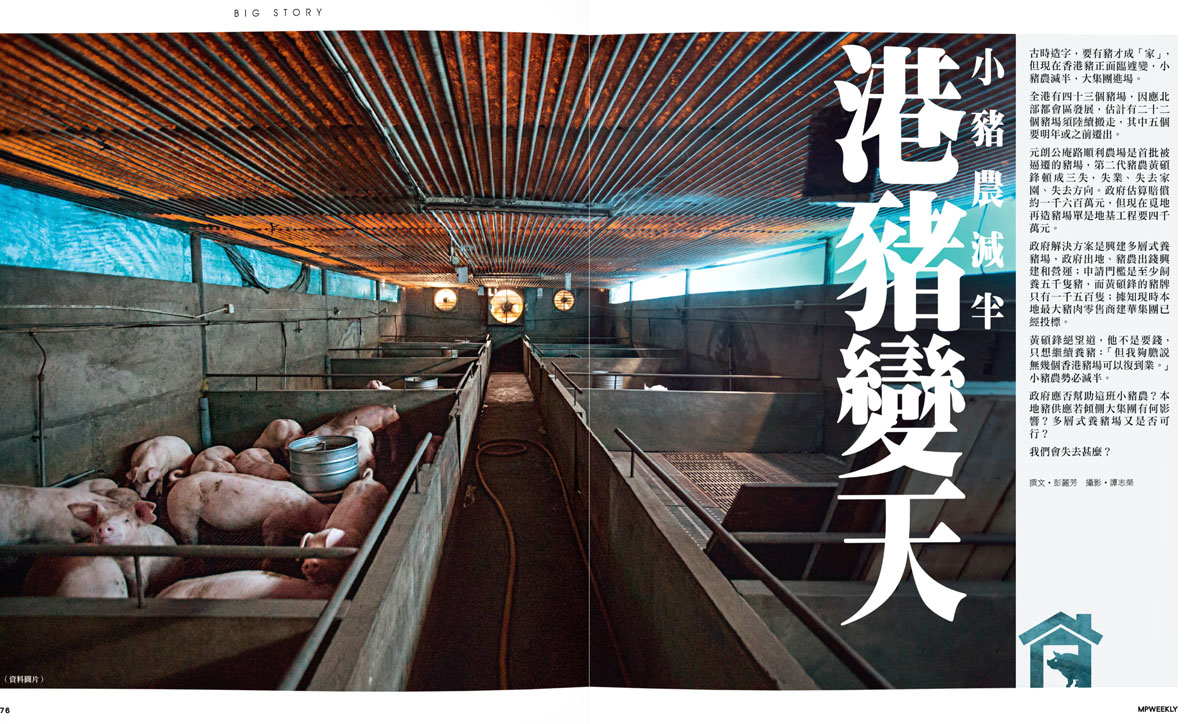
In May 2025, Hong Kong announced the building of its first multi-storey pig farming project, a high-tech modern facility using automated equipment for farmers to rear pigs in an environment-friendly way. On the surface it seemed like an upgrade, but many pig farmers are ill equipped to face the shift – from license application to investment overheads, to the kind of skills and labour required to operate such technology.
Should we support our pig farmers? Amy – the journalist asked.
The question was a good one. On the one hand it seems anti-intuitive to be talking about farming and producing our own food in a city where land is scarce, and labour is expensive. On the other hand, we import over 95% of the food we eat and we have no means of supporting our own basic needs.
Is there a place for farmers and what is the role of local production in our continuous drive to urbanise?
Unlike Singapore, which aims to produce 30% of its own food by 2030, Hong Kong does not have a cohesive food policy. Our food security is mainly provided through economic means, relying on global supply chains to ship, fly, deliver our fresh fruit and vegetables, meat, fish, cereals and everything else in our kitchens.
Why not one might ask? There is a certain logic to this, and it’s an economic one. Letting large agri-food businesses produce our food mean that we benefit from economies of scale, and outsourcing it to countries with more land, cheaper labour means it can be more cost efficient.
And yet, every time the city faces a food crisis, we look towards our farmers for help. The 2016 pork scandal for example where illegal drugs were found in imported pork led to an immediate spike in demand for local produce. During the COVID-19 pandemic when borders were closed, shelves were quickly emptied and prices of fresh fruit and vegetables sky rocketed. When we source food from a long global food supply chain, we have no agency, no say, or insight into how food is produced and we expose ourselves to risks – from health and safety to logistical bottlenecks.
From a food security perspective, the four pillars of availability, access, use and stability necessitates that we diversify the way we provide the city’s basic needs. Pig farming is one of the city’s last food production efforts – from this perspective, we need to support what little we have. If access to food is considered as important as having access to water and electricity, then what kind of infrastructure is needed to ensure a safe and stable supply? I would argue that food access need to be considered as part of public infrastructure for the well-being of its citizens and therefore needs to be under the purview of the government.
Farming and local production allow urbanites to maintain a sense of connection with food. Local farms might not produce enough to feed the city, but it does offer a source of fresher, more flavoursome food. The shorter supply chain ensures a higher nutritional quality and lower carbon emissions. Local production teaches consumers about seasonality and can be sites of education and knowledge. Small scale producers could become key stakeholders in the maintenance of an urban resilience fabric. In the face of climate change … we need a new way of imagining the future of farming. I advocate for one which maintains some presence in cities.